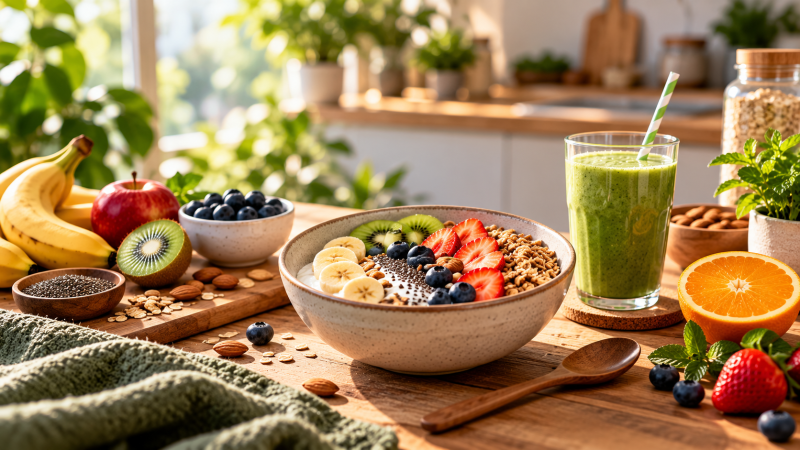
Breakfast meal prep can make busy mornings easier, but convenience works best when food safety stays part of the routine. The goal is not to build a perfect meal plan. It is to prepare foods you enjoy, store perishable items promptly, and keep a few flexible options ready for the days when plans change.
1. Start with foods that fit your routine
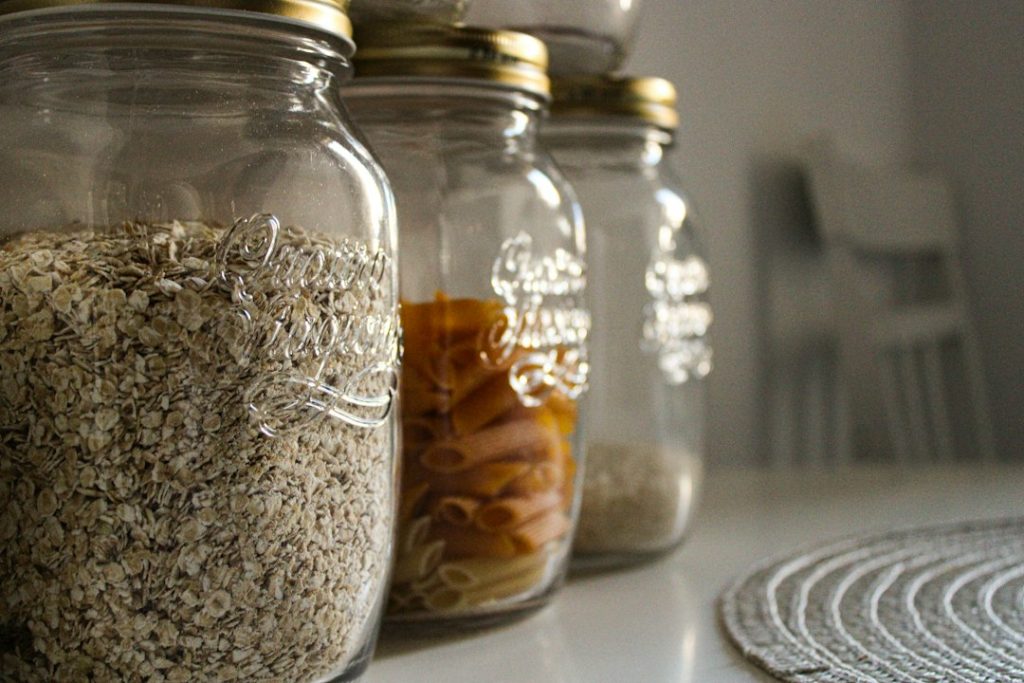
- Cook-ahead base: foods such as oats, cooked grains, eggs or other familiar breakfast staples can reduce morning prep.
- Ready-to-use produce: keep fruit or vegetables washed and stored appropriately for quick meals.
- Simple protein option: choose foods that fit your preferences, allergies and household routine.
- Backup option: keep a few shelf-stable or quickly assembled foods for mornings when prepared food is unavailable.
2. Refrigerate perishable foods promptly
FDA guidance says foods that require refrigeration should generally not sit at room temperature for more than two hours, or more than one hour when the temperature is above 90°F (32°C). Keep the refrigerator at 40°F (4°C) or below. For large amounts of cooked food, smaller or shallow containers can help it cool more quickly.
3. Know the practical leftover window
USDA guidance says properly refrigerated leftovers can generally be kept for three to four days. That makes short meal-prep cycles easier to manage: label containers when useful, keep track of when food was prepared, and freeze suitable extras if they will not be used in that window.
4. Four breakfast-prep styles to compare
| Prep style | Useful when | Practical check |
|---|---|---|
| Overnight or refrigerated oats | You want a no-cook morning | Keep refrigerated ingredients cold and follow product storage directions |
| Cooked breakfast components | You want to reheat quickly | Cool and refrigerate promptly; track leftover age |
| Yogurt, fruit and toppings | You want fast assembly | Keep perishable dairy or alternatives properly chilled |
| Shelf-stable backup | Your schedule changes | Check labels and storage instructions after opening |
5. Make portable breakfasts safer
If a breakfast contains foods that require refrigeration, plan how they will stay cold until you eat them rather than leaving them at room temperature for an extended period. Follow the storage directions on packaged foods, and use an insulated solution when appropriate for the food and trip.
6. Separate raw foods during prep
Keep raw meat, poultry, seafood and eggs away from ready-to-eat foods, utensils and surfaces used for foods that will not be cooked. Wash hands and food-contact surfaces as appropriate, and use a food thermometer when a recipe requires cooking to a safe internal temperature.
7. A simple evening prep checklist
- Choose tomorrow’s breakfast from foods you already have
- Refrigerate prepared perishable foods promptly
- Put ready-to-use items together without mixing raw and ready-to-eat foods
- Check how you will keep portable perishables cold
- Label prepared foods when the date may be easy to forget
- Keep a flexible backup for mornings when the plan changes
8. Connect meal prep to a balanced breakfast
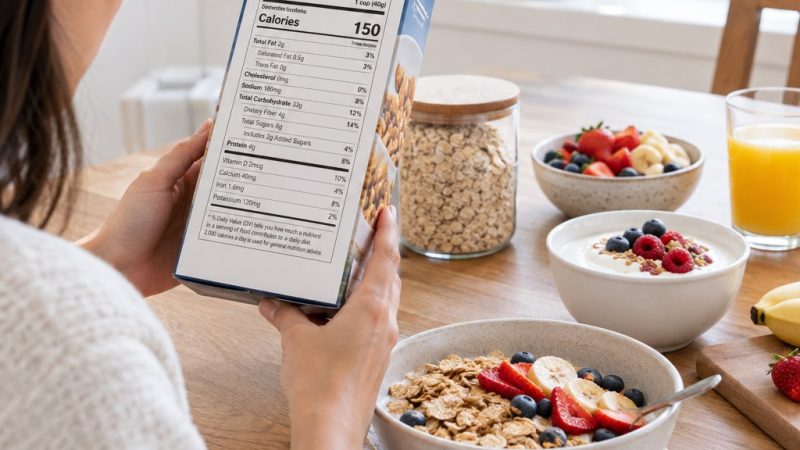
Meal prep is mainly a convenience system. For ideas on combining food groups without chasing a rigid formula, see Vendixia’s practical balanced-breakfast guide. When packaged foods are part of the routine, our breakfast food-label guide can help you compare them.
9. Quick knowledge check
3-question check
How well do you know the meal-prep basics?
10. Final thoughts
A useful breakfast-prep routine should make mornings simpler while keeping storage and handling straightforward. Adjust the foods to your household, preferences, allergies and access. For individual medical nutrition needs or food-allergy management, use guidance from an appropriate qualified health professional.
Sources and editorial note
Food-safety guidance in this article is based on public resources from the U.S. Food and Drug Administration and USDA Food Safety and Inspection Service. Vendixia does not claim hands-on product testing unless an article explicitly says so.