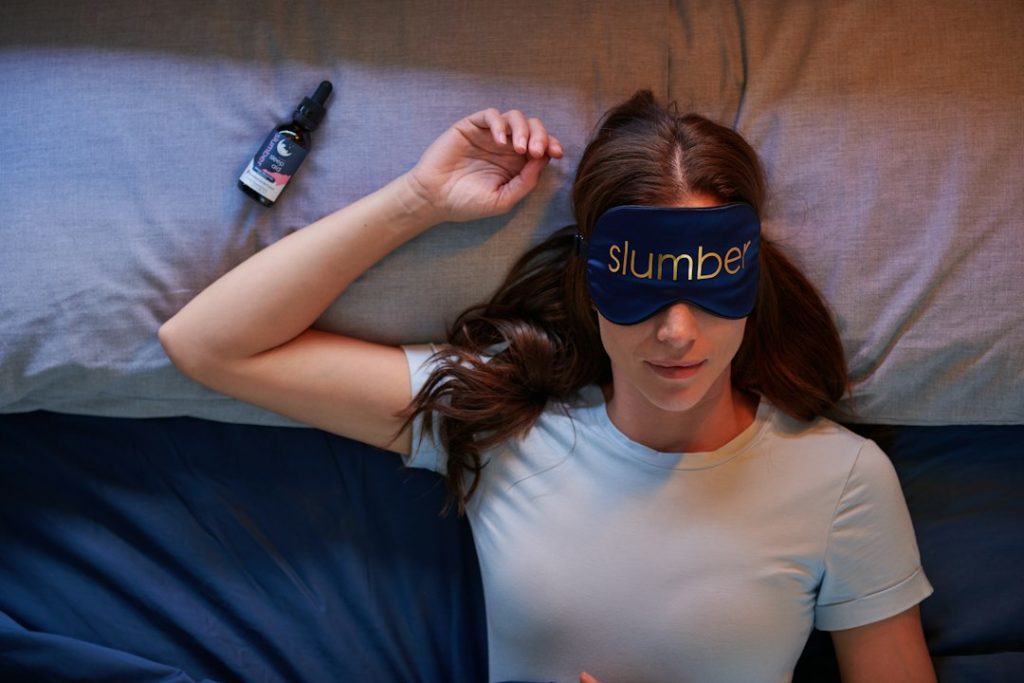
For lash extensions, start by comparing contoured sleep masks with enough room around your lashes and a shape that stays in place when you change position. The important feature is not the word “lash” on the packaging; it is the shape and fit of the eye cups.
If you wear extensions, a conventional flat mask can press directly against the lashes. A contoured design can reduce that contact, but only when the cups are deep enough for your lashes and the mask fits your face without shifting.
What makes a sleep mask suitable for lash extensions?
Start with eye clearance. Look for molded or structured cups that sit around the orbital area instead of laying fabric directly over the eyelids. Then look at stability. A very deep mask is not useful if it rotates every time you change sleeping position.
- Deep eye cups: create space between the mask and lashes.
- Stable strap: helps reduce sliding and rubbing during sleep.
- Soft cup edges: the part touching the face should not feel sharp or rigid.
- Good nose fit: helps block light without forcing you to overtighten the strap.
- Low-profile temples: especially useful if you sleep on your side.
Our contoured vs flat sleep mask comparison explains why the geometry of the mask matters beyond the fabric itself.
Why flat masks can be a poor fit for long lashes
A flat mask rests closer to the eyelids. That simplicity can be comfortable for many sleepers, but long natural lashes or extensions may touch the inner surface. The issue is mechanical contact rather than the material alone. A silk flat mask can still touch your lashes if there is no space between the fabric and your eyes.
How deep should the eye cups be?
There is no single depth that fits everyone because lash length, curl and face shape differ. Product photos showing the inside profile are more useful than a front-facing photo. Look for a visibly raised rim around a recessed eye area and check whether the manufacturer publishes dimensions.
A simple fit check is to put the mask on gently, blink normally and move your eyes. You should not feel the inner surface brushing your lashes. If avoiding contact requires tightening or repositioning the mask constantly, try another shape.
What if you sleep on your side?
Side sleeping creates another trade-off: deeper cups provide lash clearance, but a bulky outer edge can press into the pillow and push the mask sideways. Look for depth over the eyes without unnecessary thickness at the temples.
See our sleep mask guide for side sleepers for the pillow-pressure side of the decision.
Silk or synthetic fabric?
Fabric affects feel and care, but contour affects lash clearance more directly. Silk can provide a smooth surface, while molded foam and synthetic materials can make it easier to maintain a deep three-dimensional shape. Some masks combine a contoured structure with a softer outer fabric.
If material is a priority, compare the differences in our silk sleep mask buying guide and sleep mask materials comparison.
Three design types worth comparing
| Design | Main advantage | Watch for |
|---|---|---|
| Deep fixed contour | Simple recessed space around the eyes | Whether the fixed cup shape matches your face |
| Adjustable eye cups | Lets you reposition the eye area | Extra bulk, especially for side sleeping |
| Contoured silk mask | Combines eye clearance with a smooth fabric | Actual cup depth and strap stability |
As an Amazon Associate I earn from qualifying purchases. One useful comparison point is a contoured silk design such as the SLIP Silk Contour mask. It illustrates the difference between a shaped silk mask and a traditional flat silk mask; that does not mean one model will fit every lash style or face.
Slip describes its contour as creating extra space around the eyelashes, but also says the mask may not suit every lash length or type. Read the manufacturer’s contour-mask details and fit limitation before choosing it. Check that the selected Amazon option is the Contour model and that its current return terms work for you.
Check the SLIP Silk Contour mask on Amazon.
A 30-second fit check
- Put the mask on without overtightening the strap.
- Blink several times and check for lash contact.
- Move your eyes up, down and sideways.
- Turn your head onto your usual sleeping side.
- Check whether the pillow pushes the mask into your lashes.
- Check for light leakage around the nose.
If the mask passes the lash-clearance test but fails the pillow test, you may need a lower-profile contour rather than simply a deeper cup.
Keep the mask clean
A mask sits close to the eye area, so follow the manufacturer’s cleaning instructions and keep it clean. Different foams, silk fabrics, elastics and molded parts tolerate washing differently. Our sleep mask washing and care guide covers the general routine.
How we assessed this example
This is a documentary buying guide, not a wear test. We reviewed the linked manufacturer information and checked the destination of the Amazon link on October 30, 2026. We have not measured lash clearance, tested overnight movement or verified how the mask affects extension retention. Use the shape and fit checks above to decide what to investigate; no mask is presented here as a guaranteed way to protect extensions.
Frequently asked questions
Can you wear a sleep mask with lash extensions?
A contoured mask that provides enough clearance may reduce direct contact compared with a flat mask. Fit varies, so check that the mask does not press or rub against the lashes.
Is silk better for lash extensions?
Silk can feel smooth, but fabric alone does not create lash clearance. The shape and depth of the eye area matter more for avoiding direct contact.
Are 3D sleep masks better for long lashes?
They can be a better starting point because a three-dimensional contour creates space around the eyes. Check the actual depth and fit rather than assuming every “3D” mask has the same shape.
For the broader decision, continue with our sleep mask buying guide.