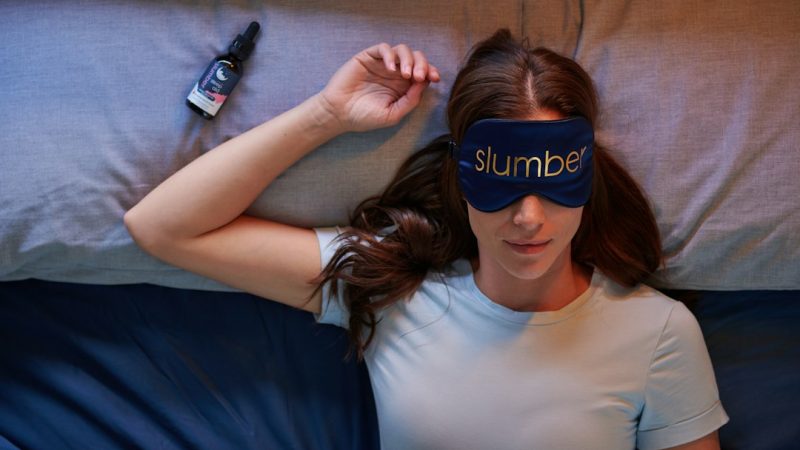
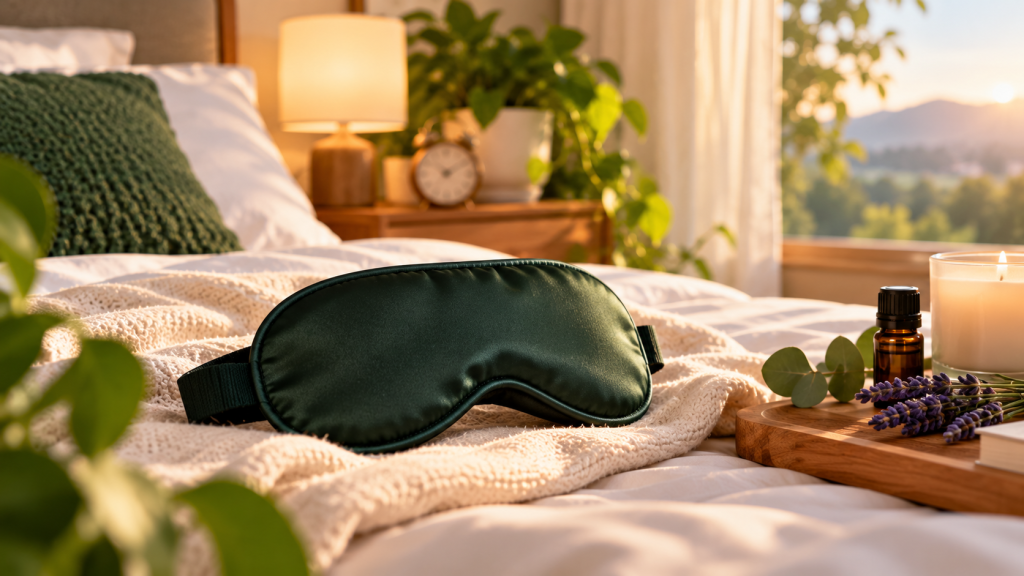
A sleep mask can look simple, but small design differences can change how well it blocks light and how comfortable it feels. Instead of starting with a brand or material, start with the problem you want the mask to solve.
1. Why fit matters more than the label
- Light leaks around your nose: prioritize a flexible nose area and a shape that can sit close to your face without uncomfortable pressure.
- The mask touches your eyelids: compare contoured or 3D designs with deeper eye cups against flatter masks.
- You sleep on your side: pay attention to bulk around the temples, strap hardware, and overall thickness.
- The mask slips off: look closely at strap adjustability, strap position, and how securely the mask sits without being overtightened.
- You dislike complicated care: check the manufacturer’s washing and drying instructions before buying.
2. Types of sleep-mask fit to compare
Flat
Low-profile and easy to pack. Check whether the fabric touches your eyelids or leaves gaps near the nose.
Simple profileContoured
Creates more space around the eyes. Compare cup depth, face shape and side-sleeping bulk.
More eye spaceSoft fabric
Prioritizes fabric feel and flexibility. Check care instructions, strap design and actual light blocking.
Soft feelAdjustable strap
Gives more control over fit. Pay attention to buckle placement, slipping and pressure points.
Fit controlThe most comfortable mask is not very useful if bright light enters through a large gap. Face shapes vary, so a design that seals well for one person may leave space around another person’s nose or cheeks. Look at the mask’s nose-area construction, flexibility, and return policy rather than assuming one shape fits everyone.
Eye space: flat versus contoured
Flat masks sit closer to the eyelids. Contoured masks create space over the eyes, which some people prefer if they dislike fabric touching the eyelid area. The tradeoff is that deeper contours can add thickness, which matters more for some sleeping positions. For a focused comparison, see our contoured vs flat sleep-mask guide.
If you wear lash extensions, use our sleep-mask guide for lash extensions to compare eye space and fit checks.
Side-sleeper profile and pillow contact
If you sleep on your side, inspect the parts of the mask that sit between your head and pillow. Thick side panels, buckles, or adjusters near the temple can be more noticeable when lying sideways. A lower-profile side design may be easier to tolerate.
For a closer look at cup shape, temple bulk and strap placement, see our guide to sleep masks for side sleepers.
Strap stability and pressure
A strap affects both stability and pressure. Look for enough adjustment range for your head size and consider where the closure or adjuster sits. A mask should feel secure without needing excessive tension.
Considering added weight? Read our weighted sleep-mask guide for the differences, drawbacks and features to compare.
Materials, feel and care
Material labels such as silk, cotton, polyester, or foam do not tell the whole story. Consider the surface touching your skin, breathability, padding, construction, and the care instructions for the complete mask. Always follow the manufacturer’s cleaning directions. For a closer comparison, see our guide to sleep-mask materials.
Washability, warranty and returns
Fit is personal. Before purchasing, check whether the mask is hand-wash only or machine washable, how it should be dried, and what the seller’s return and warranty terms actually cover. For practical cleaning and storage guidance, see our sleep-mask washing and care guide.
Key features to consider before you compare designs
- Nose-area light gaps
- Eye space: flat versus contoured
- Side profile for your sleeping position
- Strap design and adjustment range
- Materials and padding
- Cleaning instructions
- Warranty and return terms
- Commonly reported owner concerns
Research transparency: Vendixia does not claim hands-on testing unless an article explicitly states that a product was tested. Buying guides may use manufacturer specifications, manuals, warranty information, reputable references, and patterns in owner feedback to help readers compare practical decision factors.
3. Comparison: which sleep-mask design fits which need?
| Design | Often useful when | Check before buying |
|---|---|---|
| Flat mask | You want a simple, low-profile design | Whether the fabric presses on your eyelids or leaves light gaps |
| Contoured mask | You prefer more space around the eyes | Whether the molded shape matches your face and sleeping position |
| Silk or soft-fabric mask | Fabric feel and low bulk matter most | Care instructions, strap design, and actual light blocking |
| Adjustable-strap mask | You need more control over fit | Buckle placement, slipping, and comfort when lying on your side |
4. Real-life fit scenarios
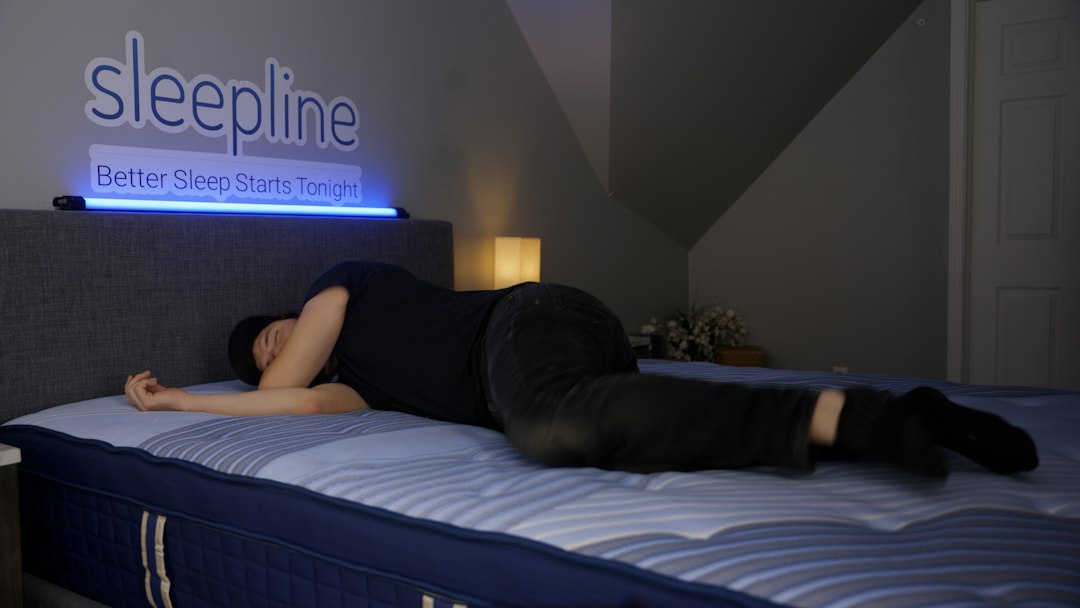
- Side sleeper: prioritize a low-profile strap or buckle and check whether the mask shifts against the pillow.
- Light-sensitive sleeper: focus on nose-area sealing and edge gaps rather than assuming thicker automatically means darker.
- Traveler: consider packability, washability, and whether the strap stays comfortable for longer wear.
- Sensitive to eye pressure: compare eye-cup depth and make sure the mask does not need excessive strap tension to stay in place.
5. Find your best sleep-mask fit (Quiz)
Use this quick self-check before you shop. It is a preference tool, not a medical assessment.
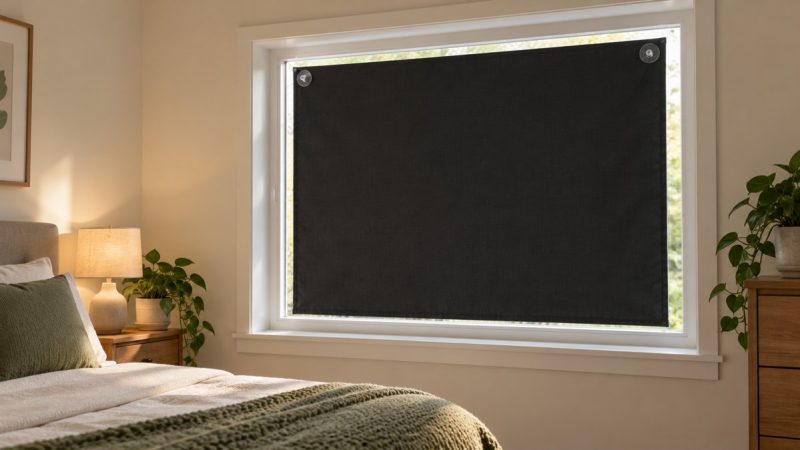
If you want to darken the room rather than cover your eyes, compare our no-drill blackout options for your bedroom. The guide explains window fit, mounting methods and what to check before buying.
6. Final thoughts
There is no single sleep-mask design that fits every face and sleeping position. Start with your biggest problem—light gaps, eye pressure, side-sleeping bulk, slipping, or care requirements—then compare designs using that constraint first.